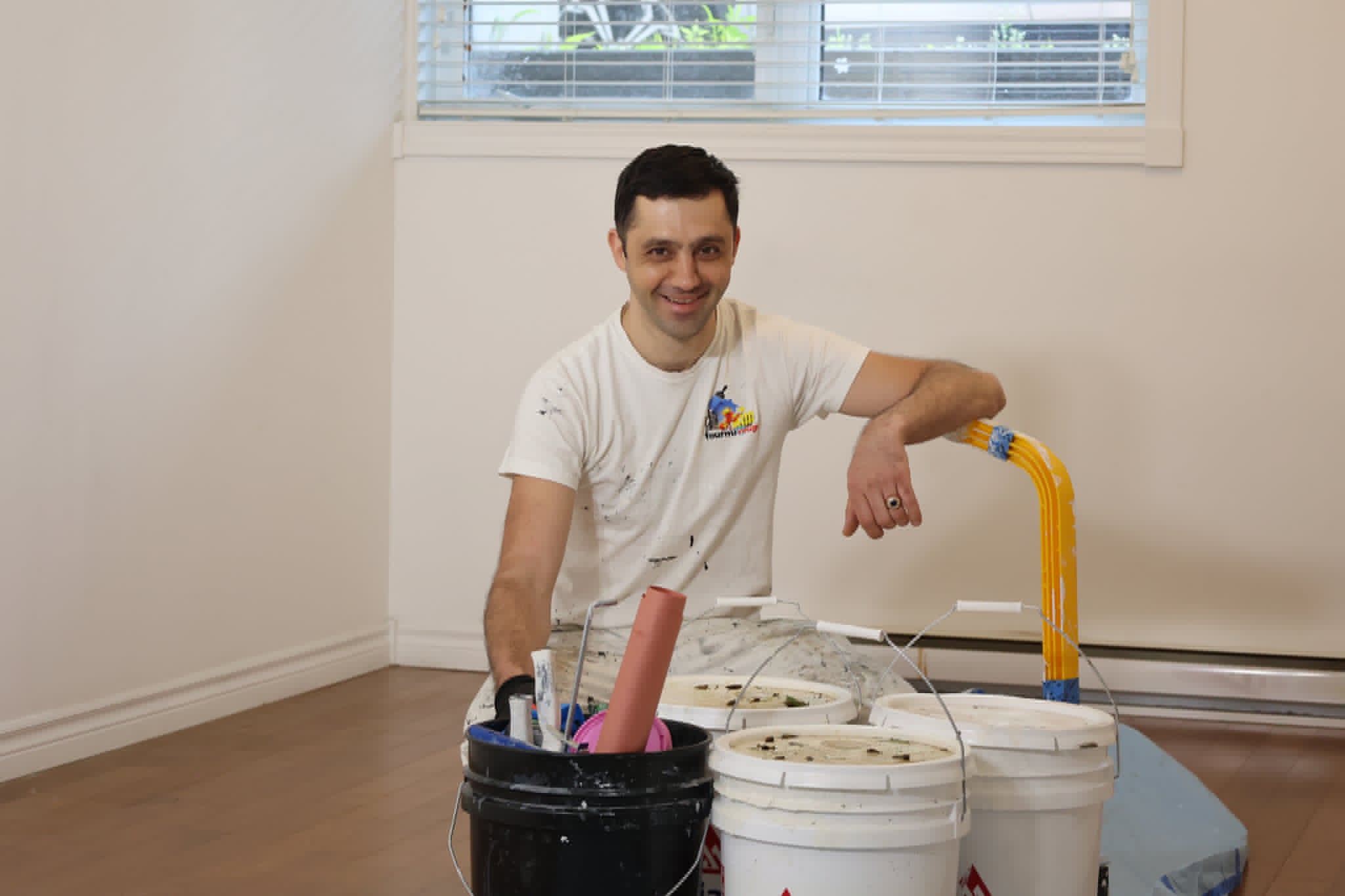
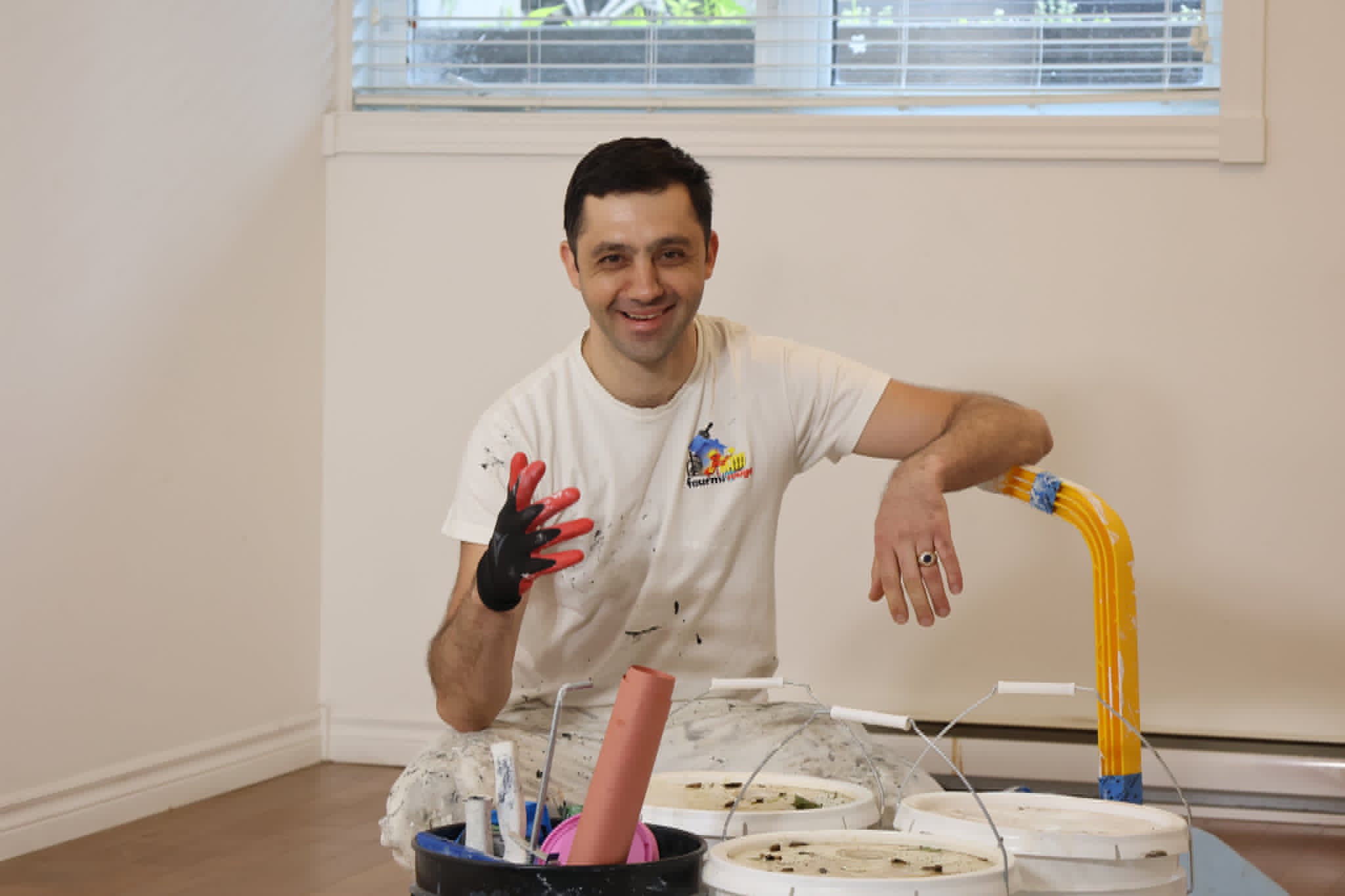
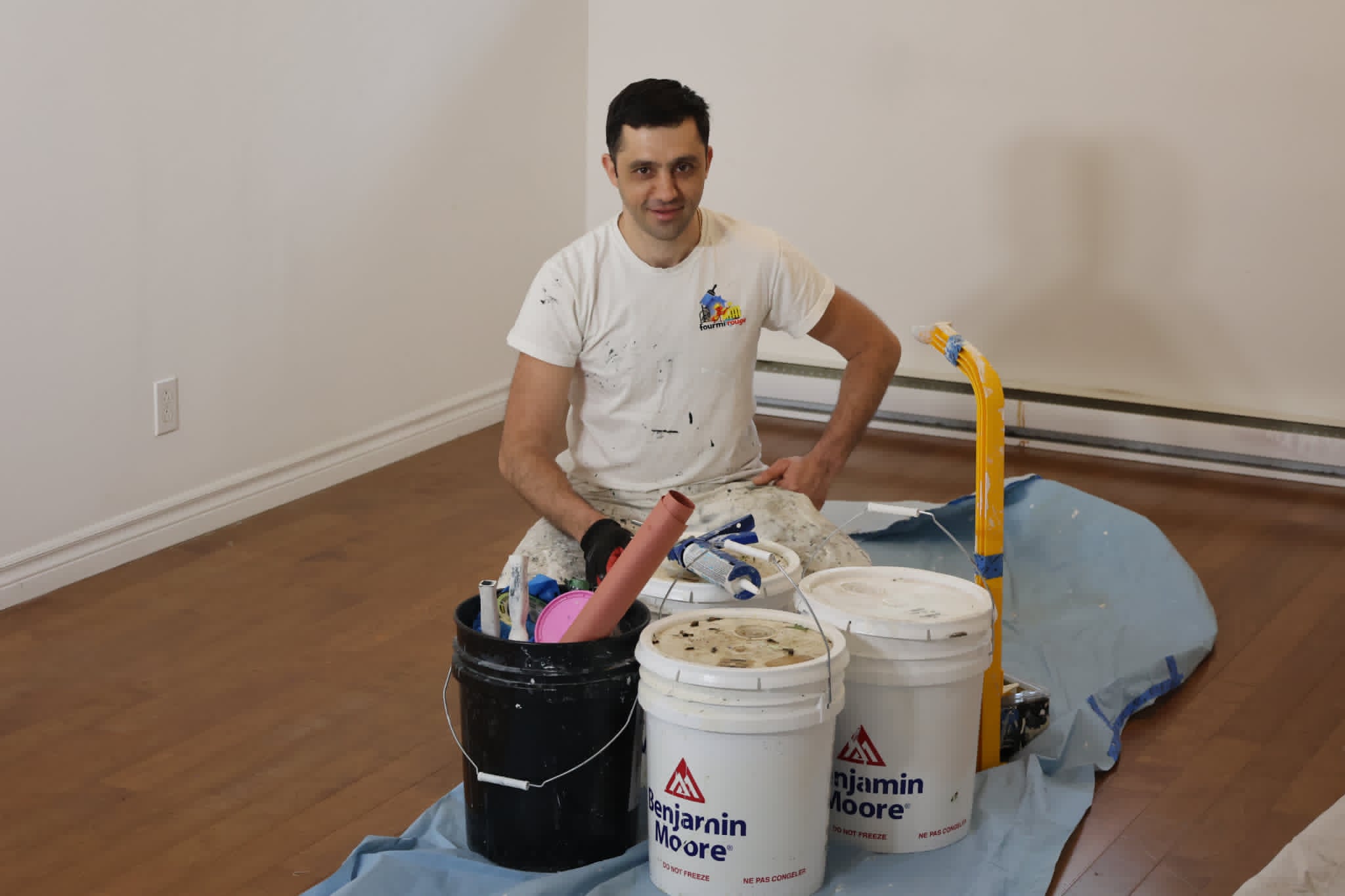
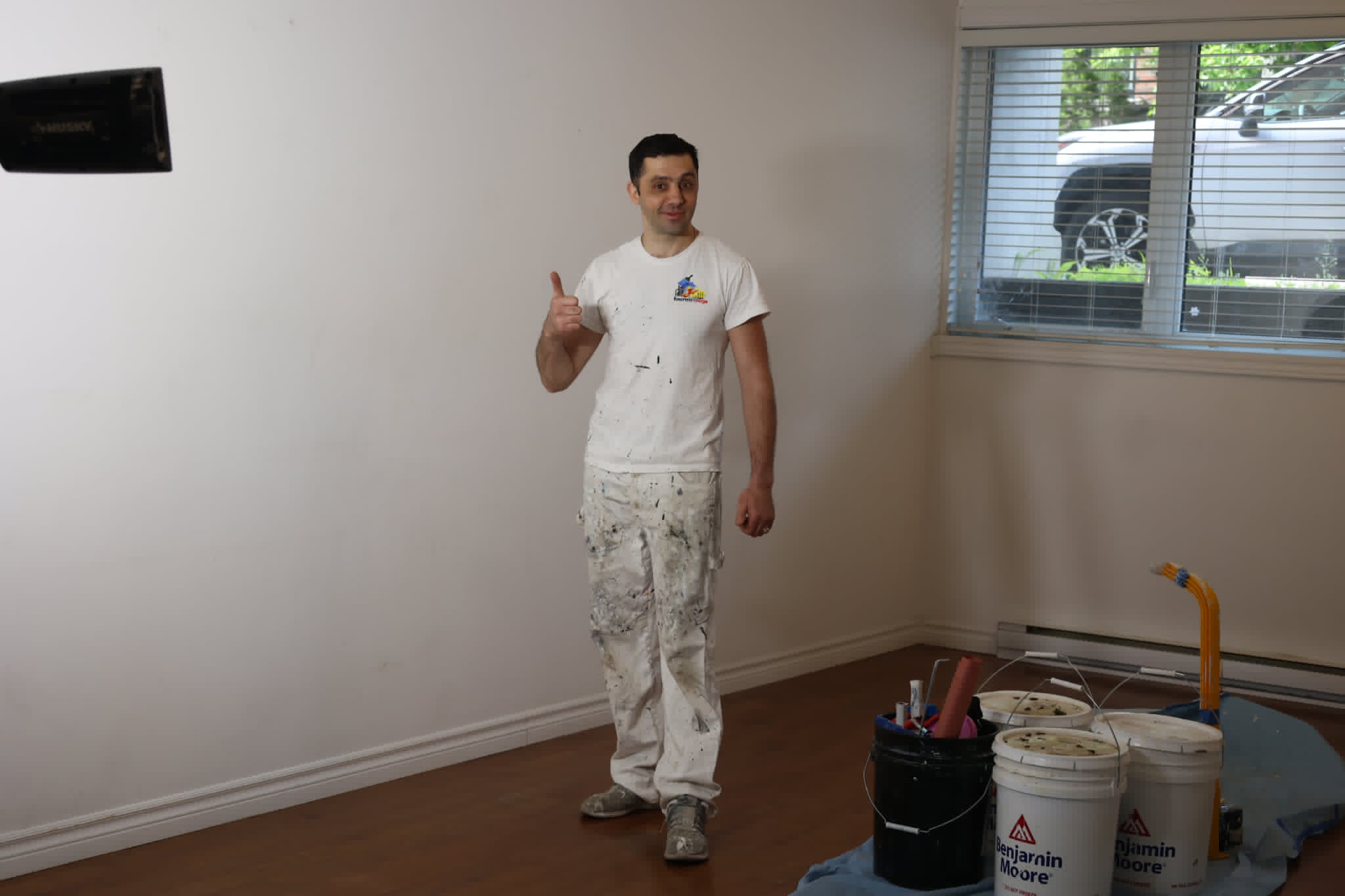
At Fourmi Rouge, we provide professional interior painting services in Montréal, Laval, Longueuil, the North Shore, the South Shore, Blainville, Terrebonne, Mirabel, Brossard, and surrounding areas. Our experienced painters follow a detailed preparation and painting process that includes surface inspection, wall repairs, sanding, priming, precision edging, and smooth paint application for a clean, durable, and flawless finish. We use premium-quality paints and professional-grade materials to ensure beautiful, long-lasting results in every project. Whether you need residential painting, condo repainting, apartment painting, or drywall repair, Fourmi Rouge delivers reliable, high-quality painting services tailored to your space and designed to enhance the beauty and value of your property.
1. Inspect the space
Check the walls, ceilings, trim, doors, and corners for cracks, holes, stains, peeling paint, moisture, or damage.
2. Protect the area
Move furniture away from the walls. Cover floors, furniture, fixtures, outlets, and switches with drop cloths, plastic, and painter’s tape.
3. Clean the surfaces
Remove dust, grease, fingerprints, cobwebs, and dirt. Paint sticks better to clean surfaces.
4. Repair imperfections
Fill nail holes, cracks, dents, and damaged areas with spackle or joint compound. Let it dry completely.
5. Sand the surfaces
Sand repaired areas and rough spots until smooth. Wipe away all dust before painting.
6. Caulk gaps
Apply caulking around trim, baseboards, door frames, window frames, and corners where needed.
7. Prime the walls
Use primer on new drywall, repaired areas, stains, dark colors, or glossy surfaces. Primer helps the paint cover better and last longer.
8. Cut in the edges
Use a brush to paint corners, edges, ceilings lines, baseboards, windows, doors, and areas where a roller cannot reach.
9. Roll the walls
Use a roller to paint the main wall surfaces. Work in sections using smooth, even strokes.
10. Apply a second coat
After the first coat dries, apply a second coat for better coverage, color depth, and durability.
11. Paint trim and doors
Paint baseboards, window frames, door frames, and doors with the appropriate brush or small roller.
12. Inspect and touch up
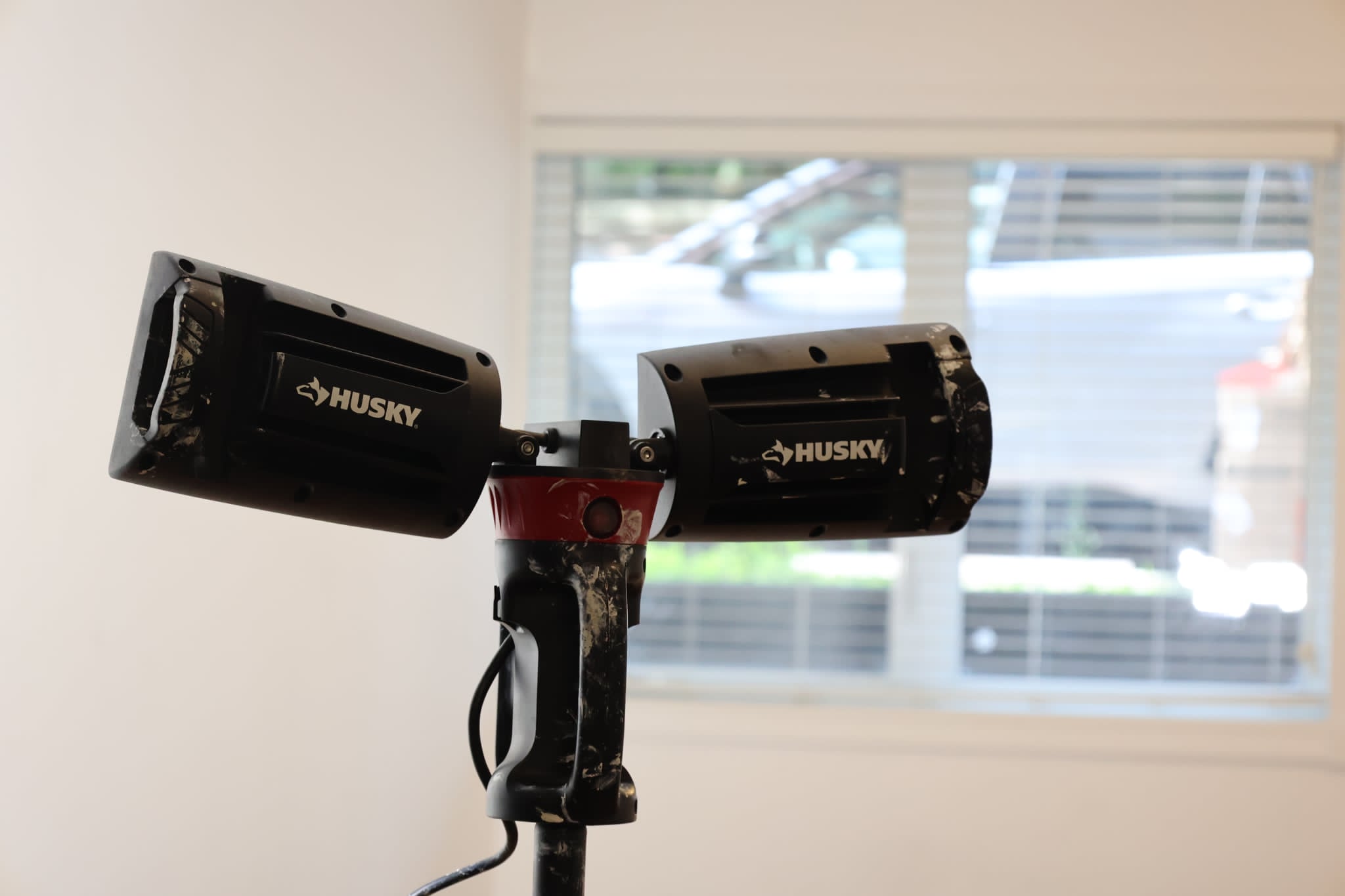
Check the walls under good lighting. Fix missed spots, uneven areas, drips, or tape lines.
13. Remove tape and clean up
Remove painter’s tape carefully, clean tools, remove coverings, and put furniture back.
14. Final walkthrough
Make sure the finish is clean, even, and professional before considering the job complete.